
Tank vs. Tankless Water Heaters: Which Fits Your Champaign-Urbana Home?
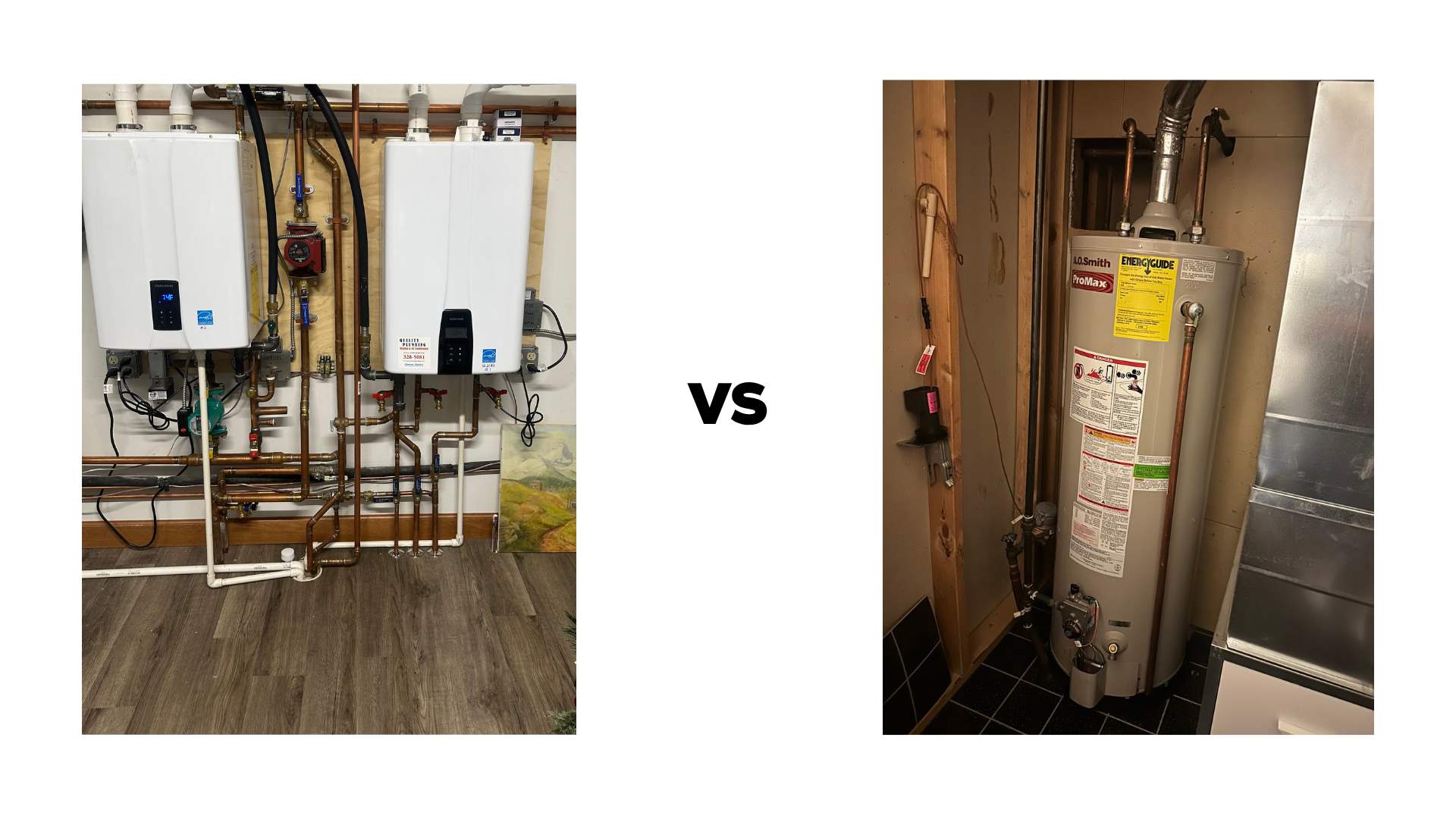
When temperatures drop in Champaign-Urbana, your water heater takes on its hardest job of the year. The water entering your home is colder in winter, so your heater has to work harder to bring it up to temperature. If the unit is already getting older, that extra strain is often when problems show up.
If you’re facing a replacement, you have a decision to make: replace it with the same type you have now, or switch to something different. Below is a straightforward look at the three main options (tank, tankless, and hybrid heat-pump) so you know what to ask before you choose.
How a Tank Water Heater Works
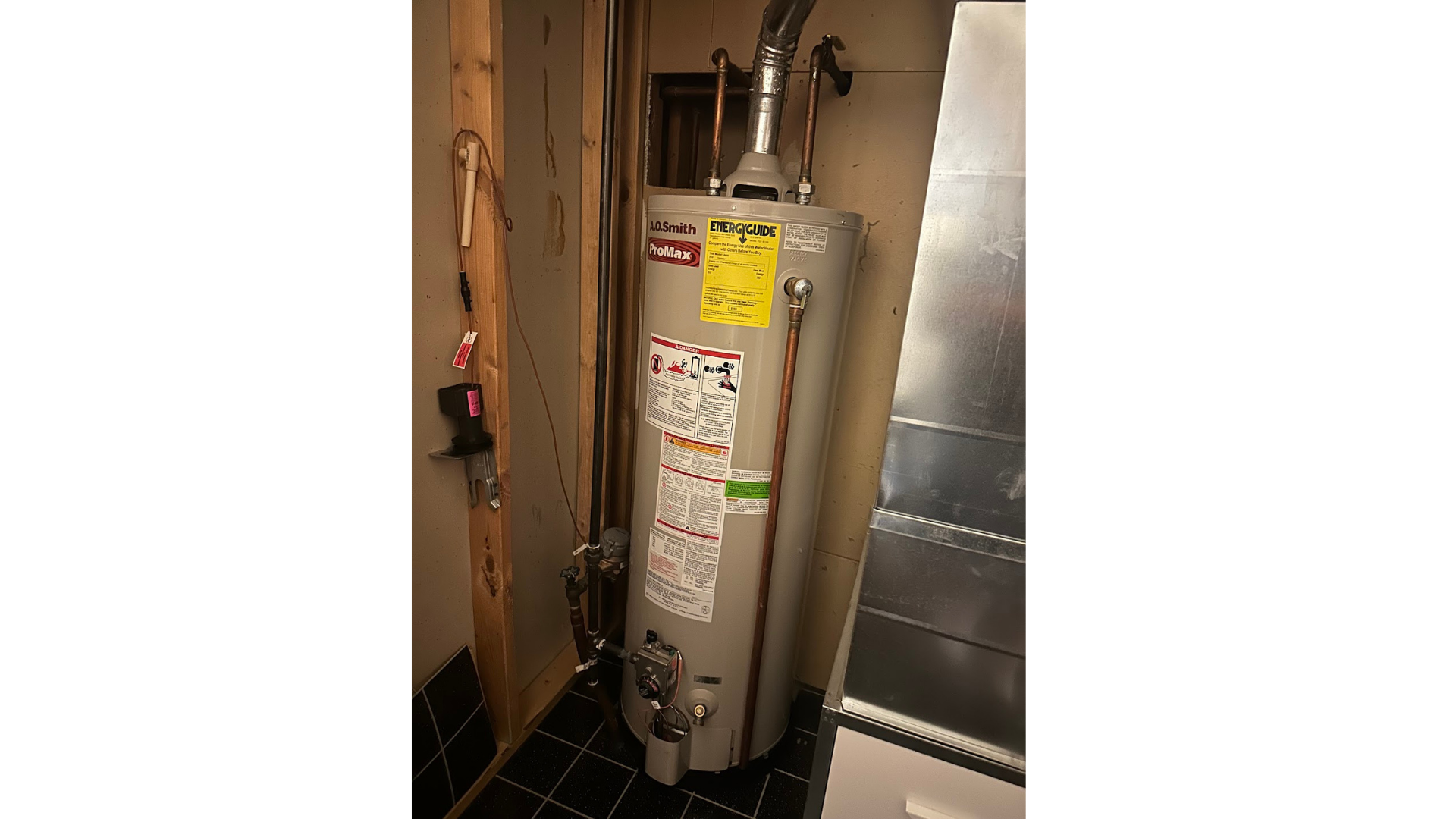
A traditional tank water heater stores a set amount of water and keeps it hot around the clock, using either a gas burner or electric heating elements. When you turn on a hot tap, heated water leaves the top of the tank and cold water refills the bottom to be heated.
Why homeowners choose it: Tank heaters are familiar, simple technology, and replacing an old tank with a new one is usually the most straightforward swap. Brands like A. O. Smith have built their reputation on dependable tank models.
The trade-offs: Once the stored hot water runs out, you wait for the tank to heat a fresh supply. That’s the classic “last one in the shower gets a cold rinse” problem. A tank also uses energy to keep water hot even when nobody is using it.
How a Tankless Water Heater Works
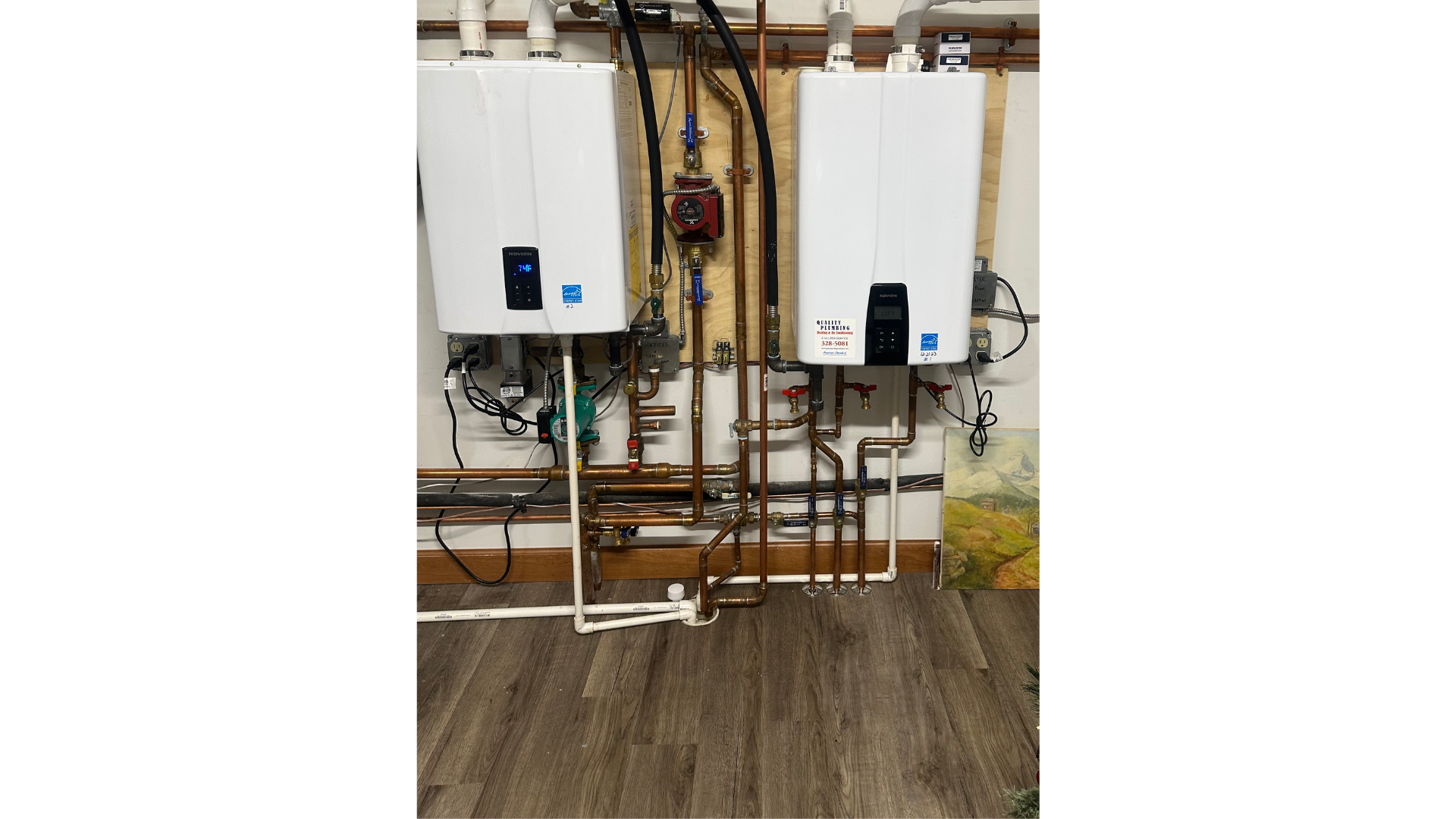
A tankless water heater, sometimes called an on-demand heater, doesn’t store water at all. When you open a hot tap, water flows through the unit, a burner or element fires, and the water is heated as it passes through.
Why homeowners choose it: As long as your household’s demand stays within the unit’s capacity, the hot water keeps coming. Tankless units mount on the wall, which frees up floor space, and they only heat water when you need it. Navien is one of the names homeowners see most often in this category.
The trade-offs: A tankless heater’s capacity is measured by how much hot water it can deliver at once, not by how much it holds. In a Central Illinois winter, the incoming water is colder, so the unit has to raise the temperature further, and that lowers how much hot water it can supply at one time. Correct sizing matters here. Switching from a tank to tankless is also usually more involved than a same style replacement, so your current setup needs a proper look before you commit.
Hybrid Heat-Pump Water Heaters
A hybrid isn’t the right fit for every home. It generally makes sense only when all three of these are true:
- The home already has an electric water heater. Hybrids run on electricity, so they’re an option mainly for homes replacing an electric tank.
- There’s room for it. Hybrids are usually taller than a standard tank and need open space around them for airflow.
- The space stays moderate year-round. Because a hybrid pulls heat from the air, it cools and dries the room it sits in. An unheated garage or crawlspace that gets cold in a Champaign-Urbana winter usually isn’t a good location.
Tank vs. Tankless vs. Hybrid at a Glance
|
|
|
|
|
|
|
|
|
|
|
|
|
|
|
|
|
|
|
|
|
|
|
|
|
|
|
|
|
|
Which One Fits Your Home?
There’s no single right answer. The best choice depends on four things:
- Household size and habits. If several people shower back-to-back or you run the dishwasher and laundry at the same time, think about whether you need a bigger supply (tank or hybrid) or a steady stream sized to your peak demand (tankless).
- Gas or electric. What your home uses now shapes your options. Gas homes usually choose between a gas tank and a gas tankless unit. Electric homes can look at an electric tank, an electric tankless model or, if the space suits it, a hybrid.
- Space. In a tight utility closet, a wall-mounted tankless unit frees up room. A hybrid typically needs more space than the tank it replaces.
- Budget. Think about both the upfront investment and the long-term operating cost. A tank is generally the lower upfront option. Tankless and hybrid units are designed to use energy more efficiently, but whether that trade-off makes sense depends on your household and your home’s setup.
Installation Done Right
A water heater is only as good as its installation. The unit has to be sized correctly for your household, connected safely, and installed with its safety controls (like the temperature-and-pressure relief valve) working and up to code. A poorly sized or poorly installed unit can leave you short on hot water or create safety risks, no matter which type you pick.
Get an Honest Estimate
Still weighing tank vs. tankless? You don’t have to figure it out alone. We’ll walk you through the options that actually fit your home and give you an honest, no-obligation estimate, with no pressure to upgrade beyond what you need.